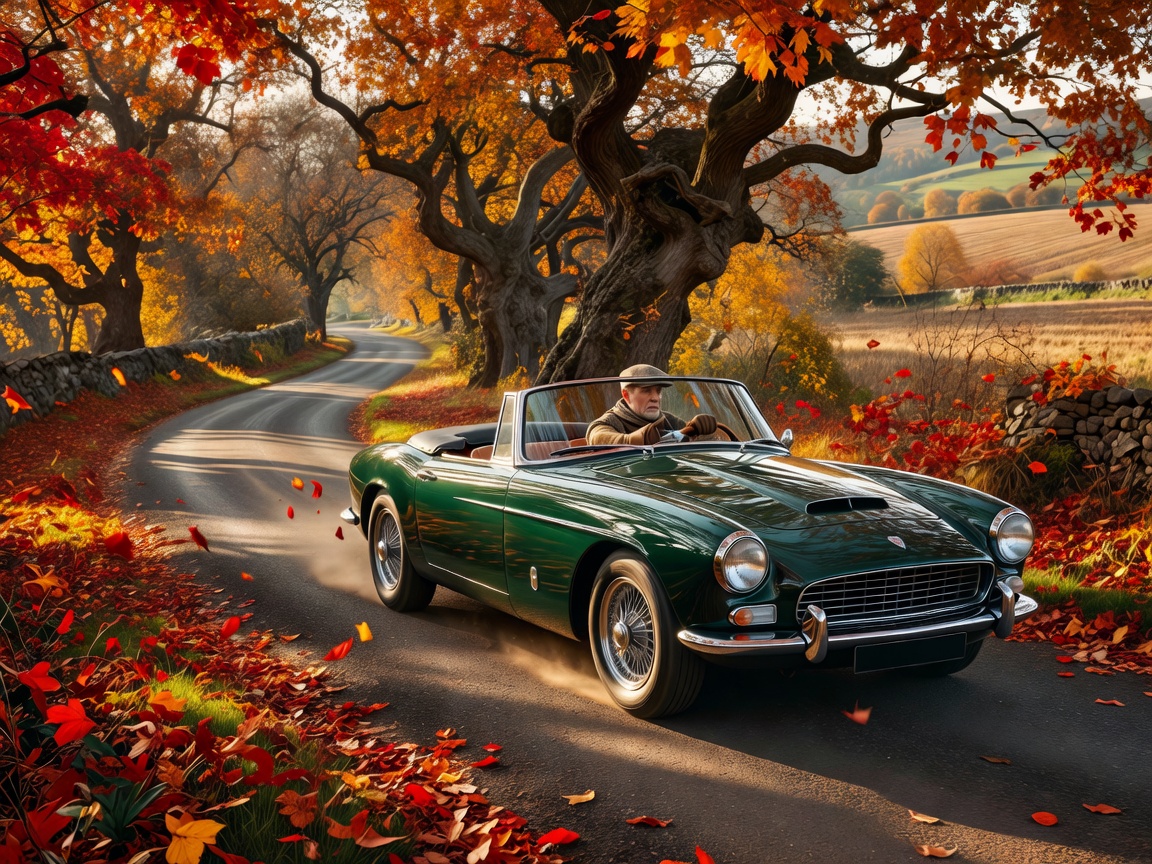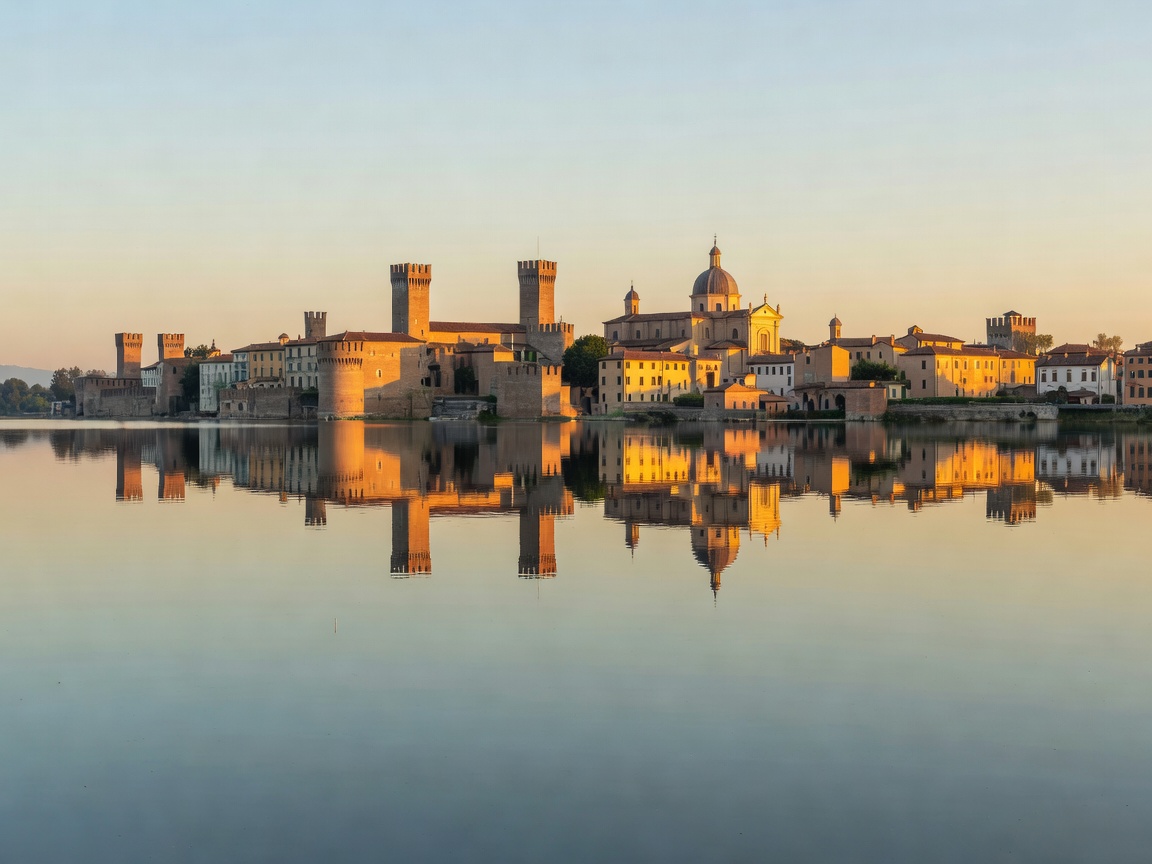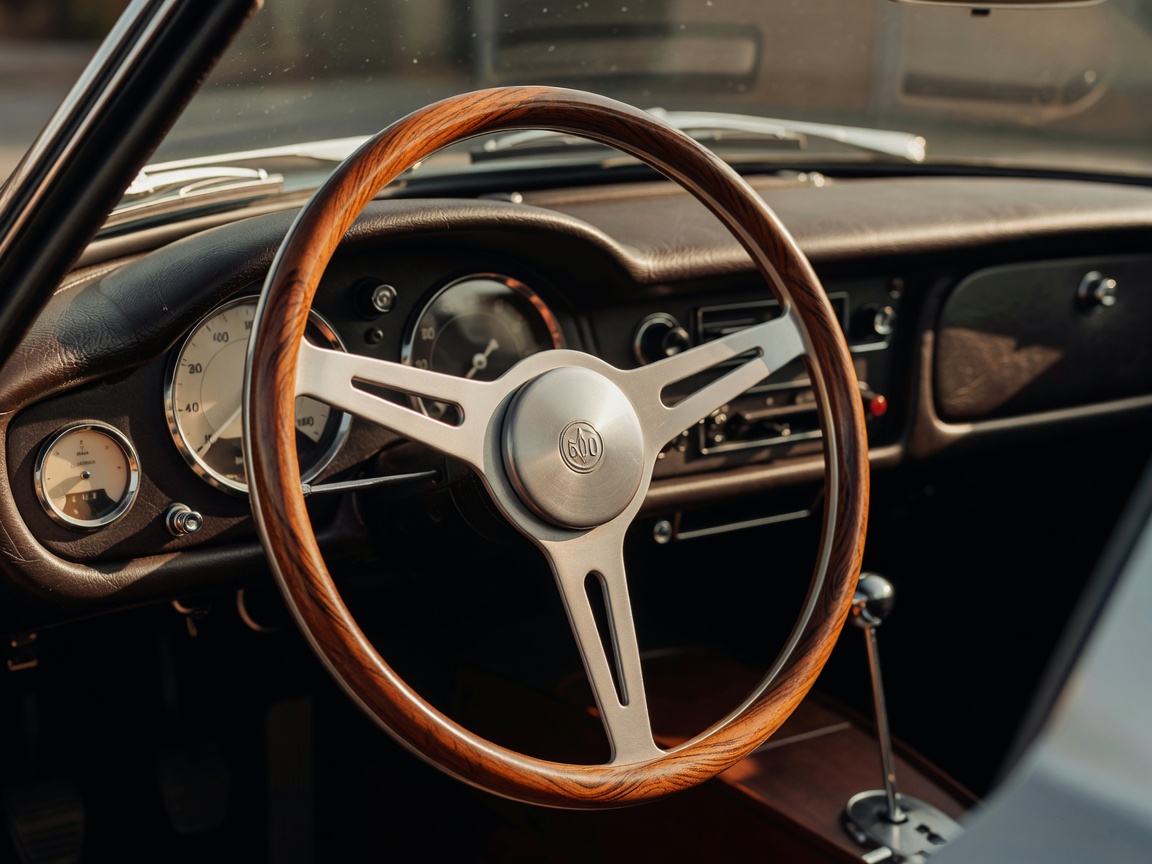
Tazio Nuvolari was born in 1892 at Castel d'Ario, just outside Mantua, and died in 1953. Between those dates he built a reputation for fearless, improvisational driving that still defines the idea of an Italian racing hero. He won the Mille Miglia in 1930 and 1933, and his victory at the 1935 German Grand Prix — in an Alfa Romeo P3 run by Scuderia Ferrari, against the more powerful German teams — remains one of motorsport's great upsets. The Gran Premio Nuvolari carries his name and his home city's pride.
How the rally works
Like the modern Mille Miglia, the Gran Premio Nuvolari is a regularity event for historic cars rather than a speed contest. Crews follow a multi-day route through northern and central Italy, tackling timed trials where the goal is to hit precise target times over measured distances. Pressure tubes across the road record each car's passage, and penalties are counted in fractions of a second. Eligibility is defined by the organisers by age and type of car, so check the current regulations if you are thinking of entering.
The event has typically been held in September, which gives it a very different mood from the early-summer Mille Miglia: softer light, cooler mornings, harvest-season food and noticeably thinner crowds.
Why Mantua matters
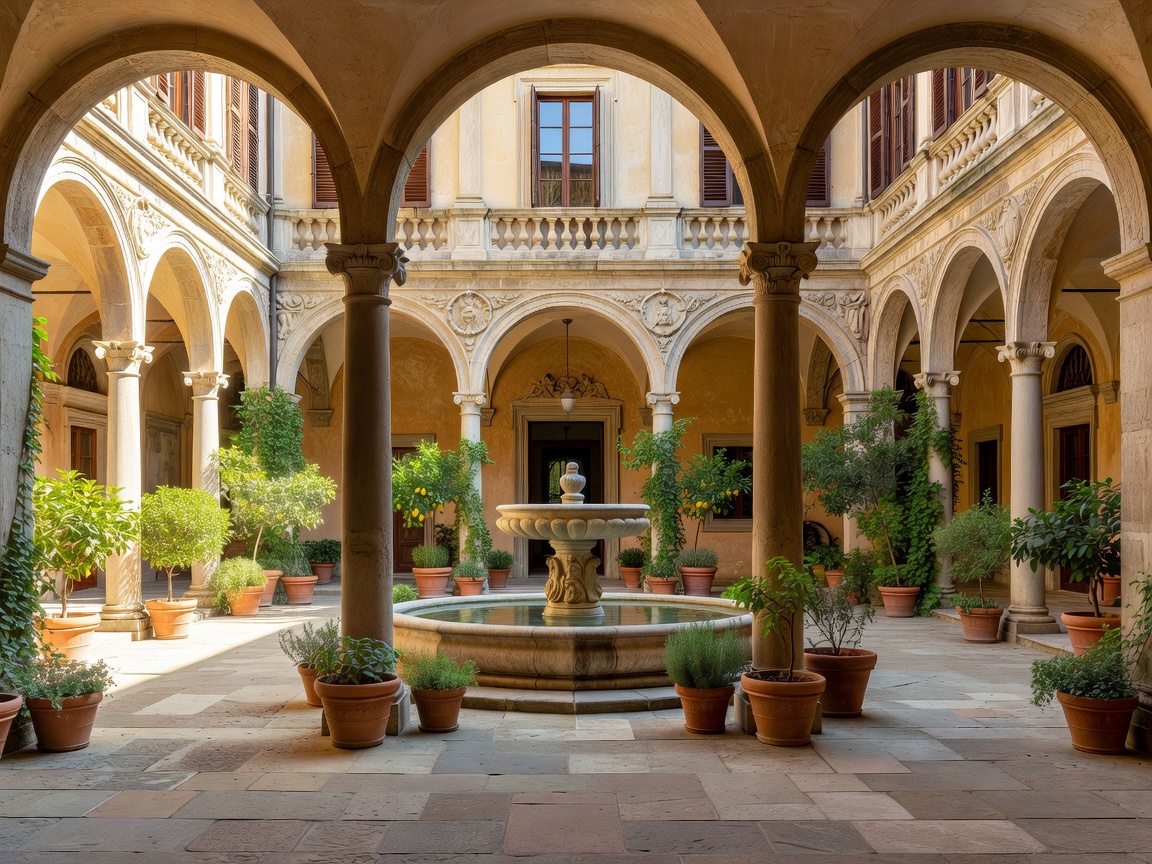
Mantua is more than a start line. Together with nearby Sabbioneta it is a UNESCO World Heritage Site, celebrated for its Renaissance planning and the Gonzaga court. Palazzo Ducale and Palazzo Te are among Italy's most rewarding palaces, and the city is surrounded on three sides by lakes formed by the Mincio river. The Museo Tazio Nuvolari in the city preserves memorabilia from his career, making a visit before or after the rally feel like a proper pilgrimage.
Comparing Italy's historic rallies
| If you want… | Choose | Why |
|---|---|---|
| The biggest spectacle | Mille Miglia | Global profile, largest crowds |
| A relaxed viewing experience | Gran Premio Nuvolari | Smaller scale, autumn calm |
| A city break with culture | Gran Premio Nuvolari | Mantua's heritage sites are compact |
| Pre-war icons of the original race | Mille Miglia | Eligibility centred on 1927–1957 entrants |
Pros and cons
Why go
- More space and time to see cars up close.
- Mild autumn weather and beautiful light.
- Deep historic connection to a racing legend.
- Mantua is compact, walkable and full of culture.
Watch out for
- Fewer modern supercars than festival-style events.
- Lower international profile means less English-language information.
- Route viewing requires planning around timetables.
- Autumn fog can roll in across the Po plain.
Visiting tips
Base yourself in the historic centre so you can walk to the start and finish areas. Mantua is served by regional trains, with connections via Verona and Milan; Verona's airport is the closest. Try tortelli di zucca, the city's pumpkin-filled pasta, which is at its best in autumn. Bring a light jacket for early starts, and check the published route to find a quiet rural stretch where you can watch the cars against open countryside. Confirm dates, route and eligibility with the organisers, as details vary by edition.