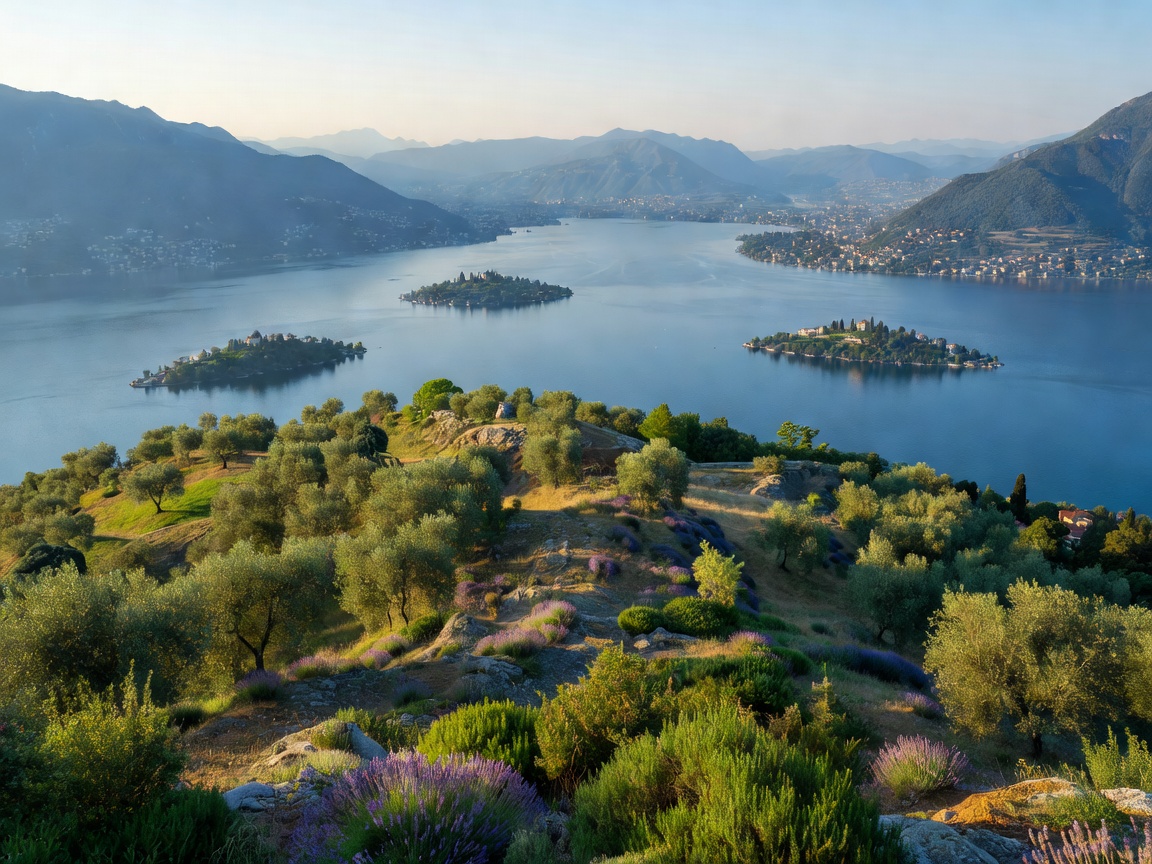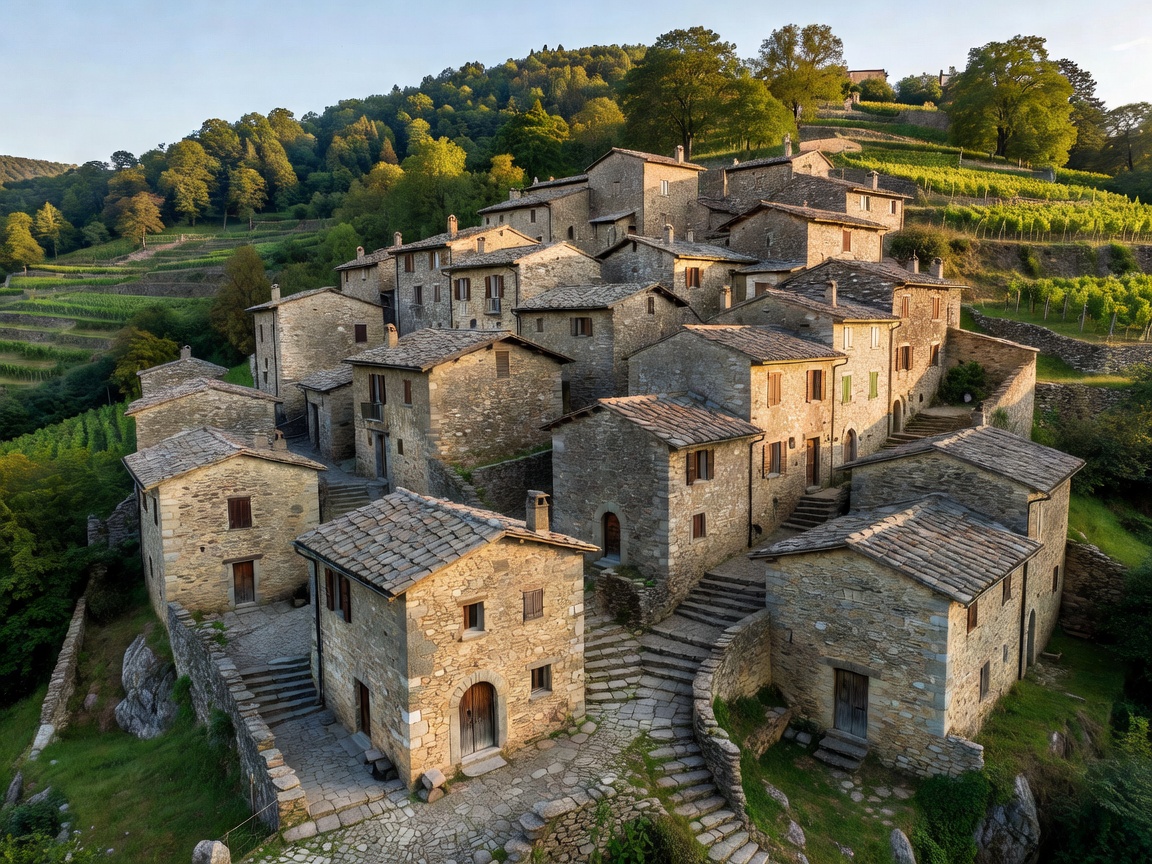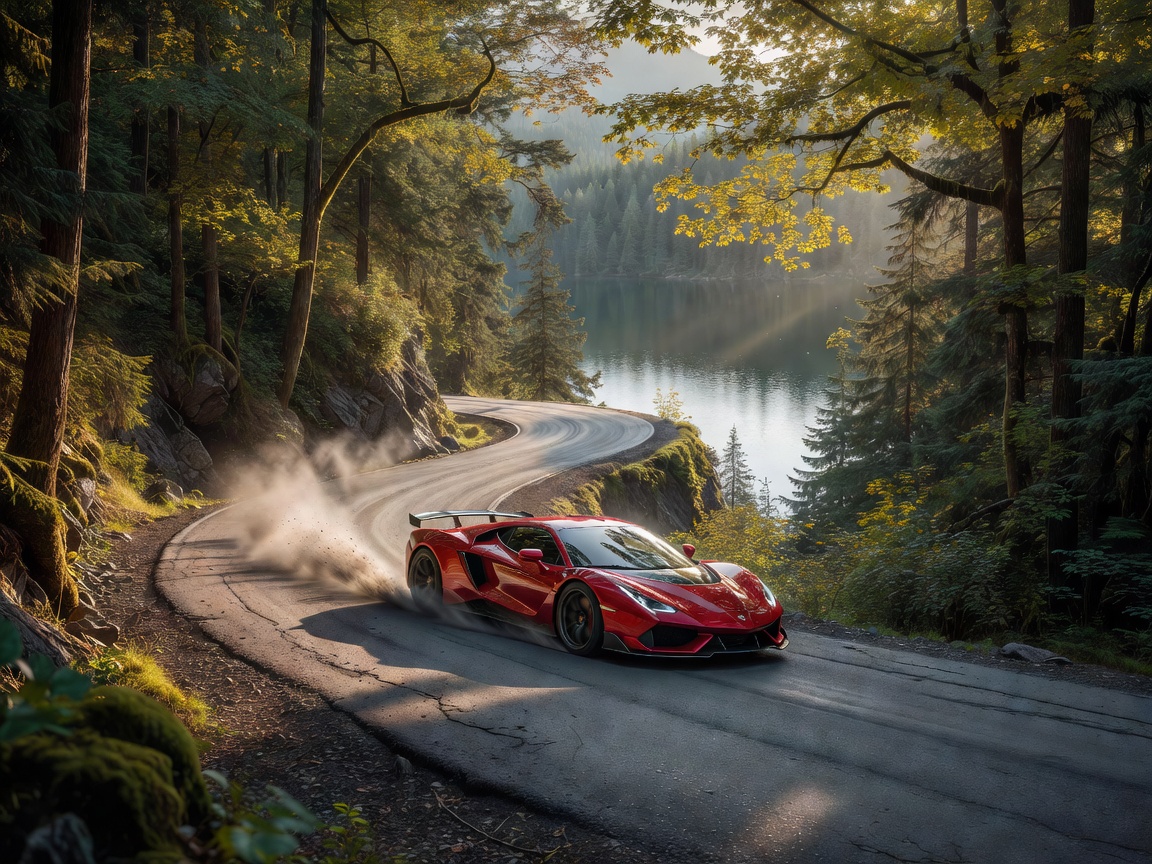
Gignese is a small Piedmontese village at roughly 700 metres altitude, perched on the slopes that rise from Stresa towards the Mottarone, the mountain dividing Lake Maggiore from Lake Orta. It is best known to visitors for its quirky umbrella and parasol museum and for sweeping views over the Borromean Islands. On the 2026 European automotive calendar it also appears as the home of the TuttoBene Hillclimb — the most intimate and kinetic event in our guide.
Because detailed information on the event's format, entry list and schedule comes from the organisers, we focus here on what you can plan with confidence: how hillclimbs work, how to watch one well and how to reach this corner of Piedmont. Confirm specifics directly with the organisers before travelling.
What is a hillclimb?
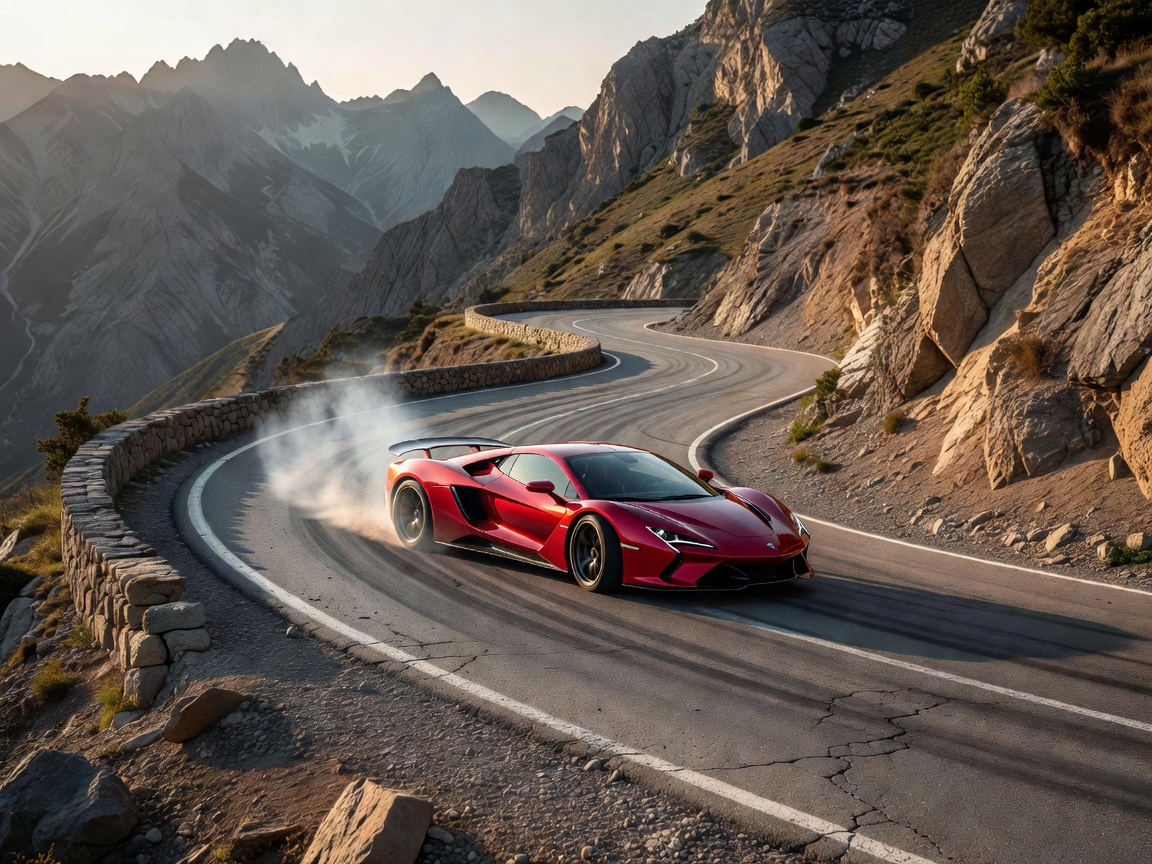
A hillclimb sends cars up a closed stretch of uphill road, usually one at a time. Italy has one of Europe's richest hillclimb traditions, with long-running climbs such as Trento–Bondone rooted deep in national motorsport culture. Where a circuit rewards consistency over many laps, a hillclimb rewards commitment on a single run: there is little room for error on a road lined with walls, trees and drops. For spectators, the appeal is proximity — you stand closer to the action than at almost any other form of motorsport, and you hear each car echo up the valley long before it appears.
Hillclimb formats compared
Events described as hillclimbs vary widely. Knowing which type you are attending shapes what you will see.
| Format | What happens | Pros | Cons |
|---|---|---|---|
| Timed competition | Licensed drivers race the clock | Maximum commitment and speed | Strict spectator zones, longer delays after incidents |
| Demonstration runs | Cars climb at spirited but untimed pace | Varied, often spectacular machinery | Less competitive tension |
| Regularity climb | Crews aim for target times | Accessible to historic cars and amateur crews | Speeds are moderate |
| Concours-style gathering | Static display plus runs up the hill | Time to see cars up close | Fewer runs per car |
Pros and cons
Why go
- Closest, loudest viewing experience on this list.
- Spectacular lake and mountain scenery.
- Smaller crowds and a friendly paddock atmosphere.
- Easy to combine with a Lake Maggiore holiday.
Watch out for
- Road closures limit when you can arrive and leave.
- Limited parking on narrow mountain roads.
- Weather at altitude changes quickly.
- Less published information than the larger events.
How to watch a hillclimb well
Arrive before the road closes; once it does, getting to a viewing point becomes difficult. Walk the course early to choose a spot: hairpins show braking and traction, while fast straights deliver sound and speed. Always stay within marked spectator areas and follow marshals' instructions — these zones exist because cars occasionally leave the road. Bring layers, since temperatures at 700 metres and above can be noticeably cooler than the lakeshore, plus sturdy footwear, water and ear protection. A packed lunch helps, as mountain villages have limited catering on event days.
Getting there
Stresa sits on the Milan–Domodossola rail line, the Italian approach to the Simplon route, so it is reachable by train from Milan. Milan Malpensa is the nearest major airport. From Stresa, Gignese is a short but winding drive uphill. Stay on the lakeshore for more accommodation choice, and spend a spare day visiting the Borromean Islands by boat. Check road closure times and the event programme with the organisers, and plan transport accordingly.