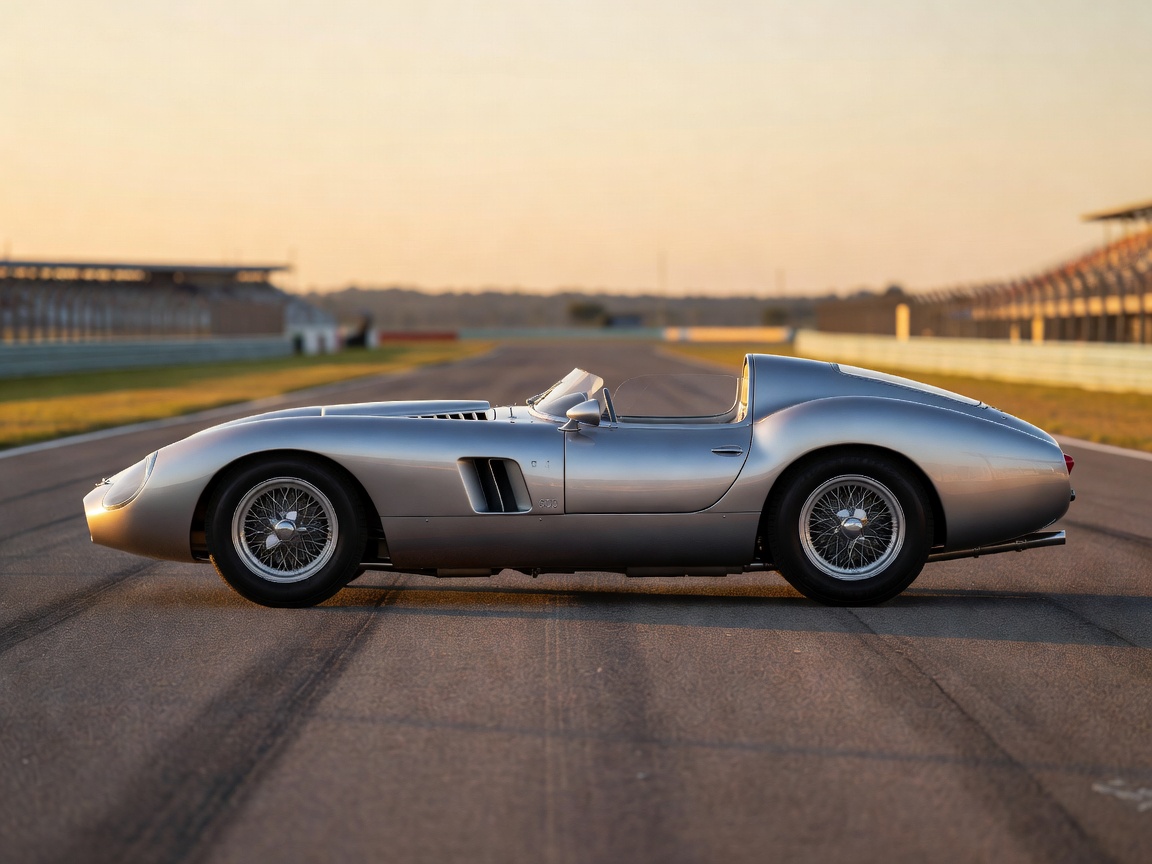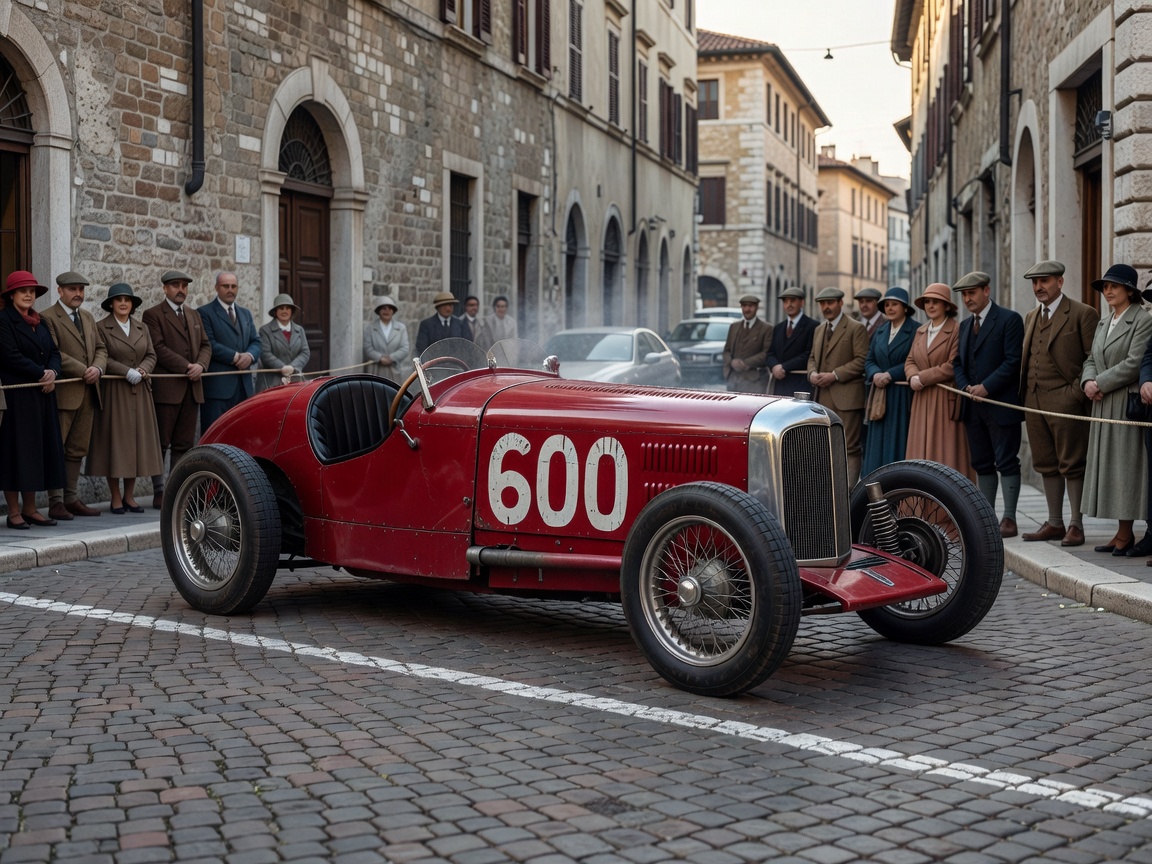
The original Mille Miglia ran from 1927 to 1957 as a flat-out race on open public roads, a loop of roughly 1,600 kilometres — about a thousand Roman miles — from Brescia to Rome and back. It produced some of motorsport's most enduring stories, none more famous than 1955, when Stirling Moss and navigator Denis Jenkinson completed the course in a Mercedes-Benz 300 SLR in just over ten hours. A fatal accident in 1957 ended the race in its competitive form.
How the modern event works
Today's Mille Miglia is a regularity event rather than a speed race. Eligibility centres on cars of the models that took part in, or were entered for, the original race between 1927 and 1957, so the field is dominated by pre-war and early post-war sports cars — Alfa Romeo, Bugatti, Ferrari, Lancia, Mercedes-Benz, Porsche and many rarer names. The route changes from year to year but keeps the spirit of a Brescia–Rome–Brescia loop spread over several days.
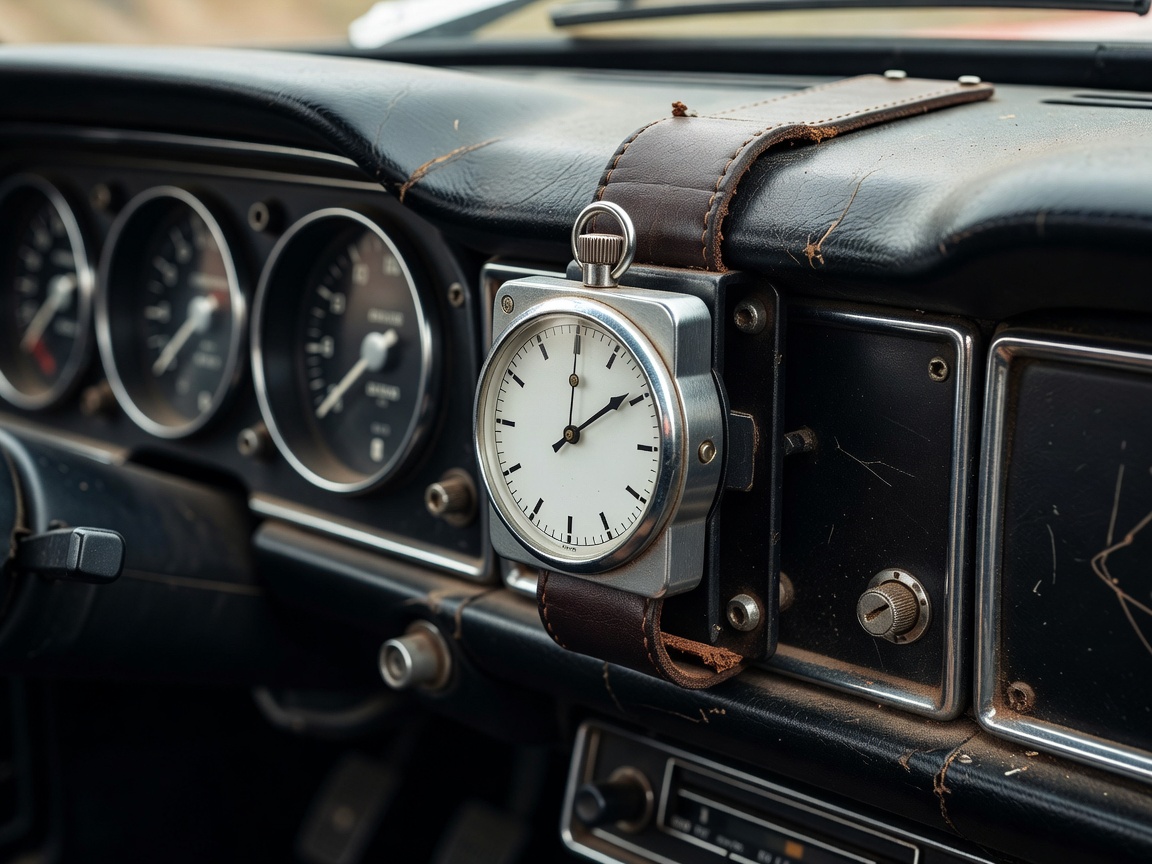
Crews are scored on precision, not pace. Timed sections require them to cover set distances in exact times, measured by pressure-sensitive tubes laid across the road, with penalties counted in hundredths of a second. The navigator's stopwatch work matters as much as the driver's skill. In recent years, modern-car tribute classes for Ferrari and Mercedes-Benz models have travelled alongside the historic field, adding contemporary supercars to the spectacle.
Where to watch
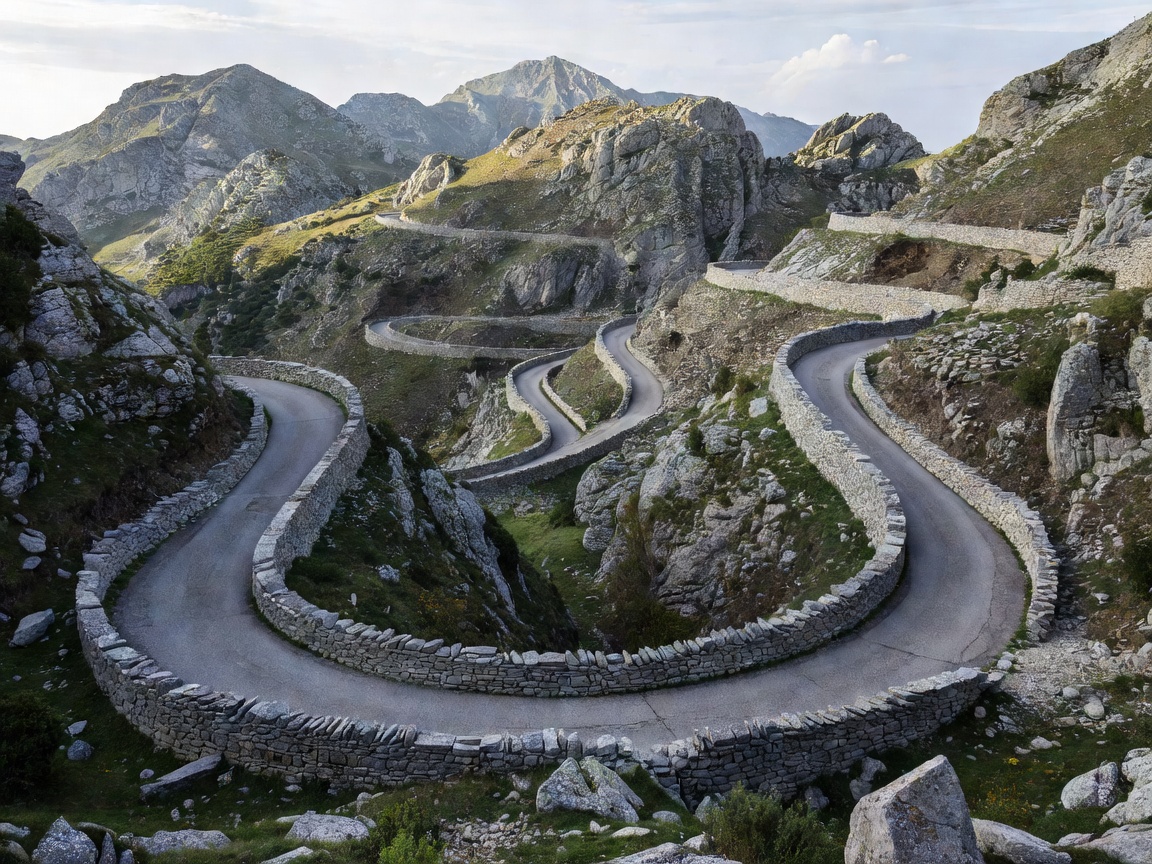
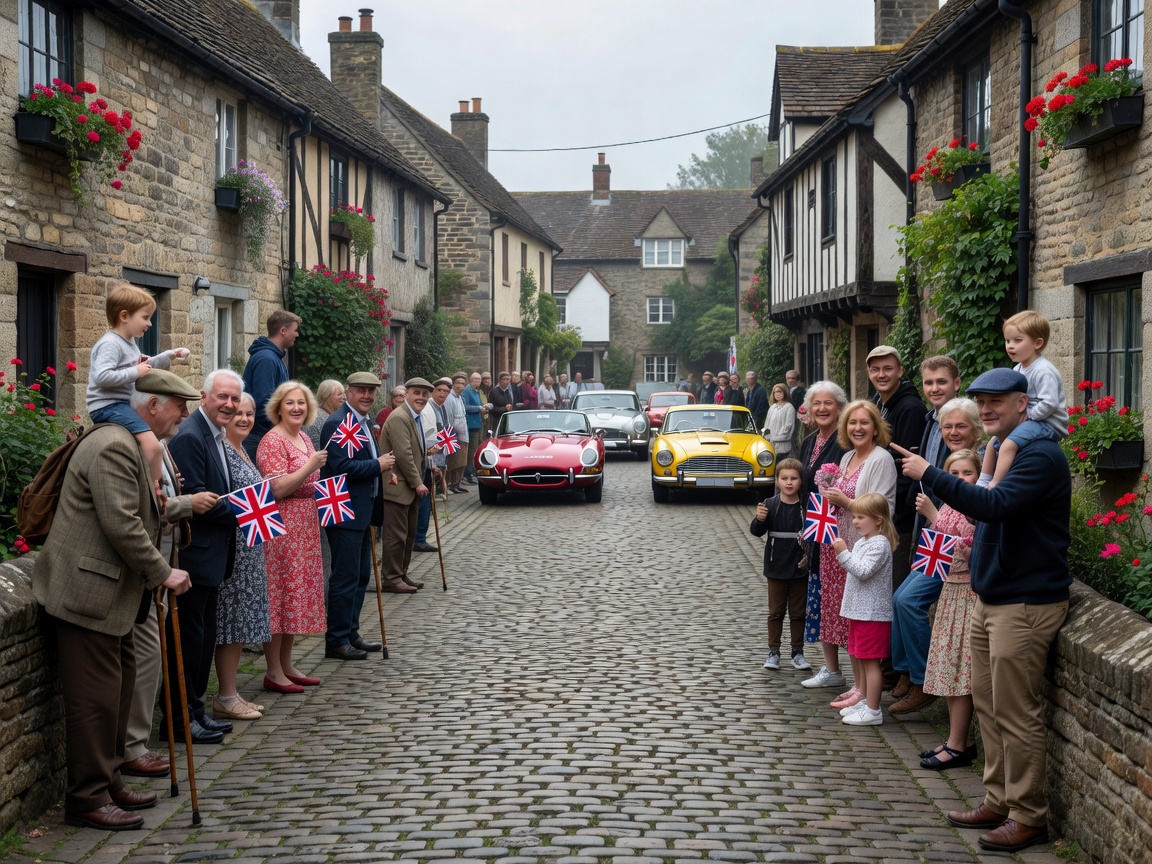
Watching from the roadside is free, and that is part of the event's charm. The start in Brescia, traditionally along Viale Venezia, draws dense crowds; arrive hours early for a front-row spot. Towns along the route turn out in force, and historic Apennine passes such as the Futa and Raticosa have featured in many editions — excellent places to see cars working hard on mountain roads. The route and timetable are published ahead of each edition, so you can plan several viewing points in one day.
Year-round, the Museo Mille Miglia in Brescia, housed in the former monastery of Sant'Eufemia della Fonte, tells the race's story with cars, documents and memorabilia — a useful primer before the event itself.
Mille Miglia vs Gran Premio Nuvolari
| Aspect | Mille Miglia | Gran Premio Nuvolari |
|---|---|---|
| Base | Brescia | Mantua |
| Season | Early summer in recent years | Autumn, typically September |
| Scale | Very large, global profile | Smaller, more intimate |
| Crowds | Heavy at start and key towns | Moderate |
| Heritage | The original 1927–1957 race | Tribute to Tazio Nuvolari |
Pros and cons
Why go
- The most historically significant cars on this list.
- Free roadside viewing across a huge area.
- Remarkable atmosphere in towns along the route.
- Modern supercar tribute classes add variety.
Watch out for
- Cars pass quickly; you may see each one only for seconds.
- Start-day crowds in Brescia are intense.
- Following the route by car is tiring and congested.
- Entering as a crew requires an eligible car and a significant fee.
Practical tips
Pick one or two viewing points per day rather than chasing the convoy. Bring water, sun protection and a folding stool; waits can be long in early-summer heat. Brescia is on the Milan–Venice rail line, which makes it easy to reach without a car. Accommodation in Brescia fills early for start and finish days, so consider nearby Lake Garda or Bergamo. For routes, timings and entry information, refer to the official Mille Miglia website.